
Tent cards meaning: a practical definition
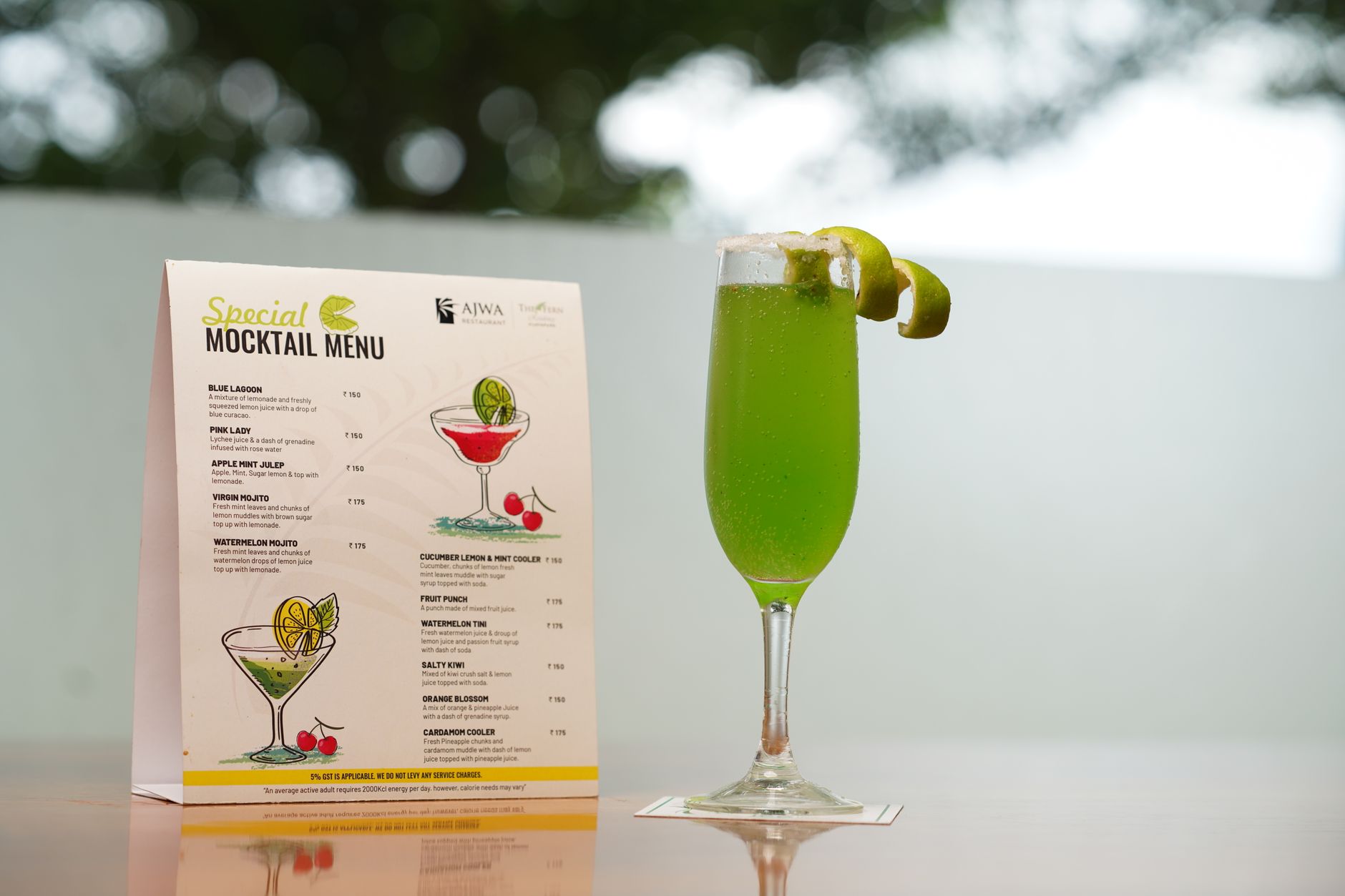
The simplest tent cards meaning is a self-standing folded print piece, usually made from cardstock, that displays information on a tabletop, counter or other flat surface. Tent cards are also commonly called table tents, table tent cards or table talkers.
Unlike a flat postcard or flyer, a tent card is folded and assembled so it remains upright without a separate holder. One industry definition describes it as an imprinted and folded card that stands on a flat surface.
Most designs have two visible upright panels. These panels can repeat the same message for visibility from opposite directions or present different information on each side.
Tent cards are used for:
- Restaurant specials and limited-time offers
- Product promotions at retail counters
- Loyalty program and QR code messaging
- Hotel, café and reception information
- Conference schedules and speaker identification
- Reserved seating and table numbers
- Registration and service-desk instructions
- Seasonal promotions and multi-location campaigns
Their value comes from placing a concise message close to the customer, often at the exact point where a purchase or service decision is being made. In that sense, a table tent acts like a mini billboard and can be a cost-effective marketing tool in a relatively small space.
How is a tent card constructed?
A tent card is typically printed on cardstock, scored, folded and secured into a triangular or A-frame shape. Depending on the design, the base may use interlocking tabs, adhesive tape or another fastening method.
Although cardstock is most common, people may informally describe the material as cardboard. The actual stock should be selected for print quality, clean folding and sufficient stiffness.
Panels and folds
A basic tent card usually includes:
- Two upright display panels
- A top fold joining the panels
- One or more bottom panels forming the base
- A closure that keeps the piece standing
The flat piece may look unusual before assembly because the artwork, folds, tabs and glue areas must all align after finishing. A printer should provide a production dieline or template rather than asking the designer to estimate these positions.
Some table tent cards are supplied pre-assembled. Others use a foldable structure and ship flat for assembly at the restaurant, store or event venue. Shipping flat can reduce storage and transportation volume, while pre-assembly can save labour during a large rollout.
Size and orientation
There is no single standard tent card size. Dimensions vary by job according to the viewing distance, available tabletop area, amount of copy and shipping requirements.
Common format decisions include:
- Portrait or landscape orientation
- Narrow cards for menus and table numbers
- Wider cards for product comparisons or special offers
- Compact formats for crowded checkout counters
- Larger formats for reception desks or shared tables
A full-size mock-up is useful before production. It can reveal whether the card blocks sightlines, competes with payment equipment or occupies too much dining space.
Stability
A self-standing display must remain upright during normal use. Stability depends on the width of the base, height of the panels, cardstock stiffness, grain direction, scoring and closure method.
A tall card with a narrow base may tip easily. Heavier stock can help, but structure matters as much as thickness. For entrances, patios or other areas exposed to airflow, a rigid sign holder or weighted display may be more suitable.
What printing and finishing options are available?
Table tent cards can be produced with digital or offset printing, then scored, die-cut, folded and assembled as required. The right combination depends on quantity, artwork variation, desired appearance and expected handling.
Digital versus offset printing
Digital printing is often appropriate for:
- Short runs
- Multiple store versions
- Regional or bilingual variations
- Personalized table numbers or QR codes
- Offers that change frequently
Offset printing may be more practical for larger quantities with common artwork. It provides consistent reproduction across a substantial retail or restaurant rollout, particularly when brand colour control is important.
The most cost-effective process varies by job. Quantity alone is not the only factor, since finishing, versioning and fulfilment can significantly affect production planning.
Cardstock selection
Tent cards are generally described as printed and folded cardstock, rather than rigid signboard. Stock selection should account for foldability, durability, print quality and the environment where the card will be used.
Options may include:
- Coated cardstock for bright graphics and photography
- Uncoated stock for a softer, natural appearance
- Recycled-content stocks
- Tear-resistant or synthetic materials for demanding environments
- Specialty stocks for premium hospitality or brand presentations
Very heavy material is not automatically better. If a stock is too rigid for the intended structure, folding and assembly can become difficult. Proper scoring is essential for clean folds and to reduce cracking along printed areas.
Coatings and decorative finishing
A coating can protect the printed surface from frequent handling. Matte, gloss and soft-touch finishes also change the visual character of the piece.
Additional finishing can include:
- Foil stamping
- Embossing or debossing
- Die-cut windows or shaped edges
- Rounded corners
- Spot gloss effects
- Writable areas for prices or table assignments
Decorative treatments should support the message rather than compete with it. For a short-term price promotion, clear hierarchy may matter more than premium embellishment. For a hotel, tasting room or high-end product launch, tactile finishing may contribute to the intended brand experience.
Where do tent cards work best?
These displays work best where customers pause, wait, dine or make a purchase decision near a flat surface. They are especially effective in retail, food service, the hospitality industry and event environments.
Retail counters and service areas
In retail, table tents function as compact point-of-purchase displays. They can promote an add-on item, explain a service, introduce a loyalty program or direct customers to a digital experience through a QR code.
Typical placements include:
- Checkout counters
- Customer service desks
- Cosmetics and consultation counters
- Pharmacy pickup areas
- Product demonstration tables
- Seasonal merchandising displays
- Click-and-collect stations
Accent Impression prints, finishes, kits and fulfils table tent cards alongside other in-store POP materials for multi-store retail rollouts across Canada on its own presses in Quebec.
For a chain-wide campaign, each display should be planned as part of the complete store kit. Version control, store quantities, packing order and installation instructions can be as important as the printed piece itself.
Restaurants and hospitality
Restaurants commonly use table talkers for specials, featured beverages, desserts, events and QR-linked menus. Because the display can be read from both sides, one piece can communicate with guests seated across from each other.
Table talkers may also be coordinated with restaurant menus and tabletop materials so typography, colours, pricing and campaign dates remain consistent.
Hospitality applications include room-service information, breakfast schedules, Wi-Fi instructions and front-desk notices. Materials should be selected according to cleaning practices and how frequently the information changes.
Events and business settings
At conferences and corporate events, tent cards can identify speakers, reserve seats, display agendas or provide registration instructions. They also work as temporary desk signs and meeting-room identifiers.
If attendees need to read names from a distance, large type and strong contrast are more important than fitting extra information onto the card.
How should buyers choose the right tent card?
Buyers should choose a tent card by matching its size, structure, material and production method to the placement, campaign duration and rollout process. Start with how the piece will be used, then determine the specifications.
Confirm the viewing conditions
Consider who will read the card and from what distance. A restaurant guest sees a tabletop piece from close range, while a retail shopper may need to notice a counter message from several feet away.
Keep the main headline short. Prices, dates, special offers and actions should be easy to locate without turning or picking up the display.
Decide whether both sides need unique artwork
The two upright panels can carry identical or different messages. Repeating the artwork improves visibility from either direction. Different artwork provides more communication space, but one side may be missed depending on placement.
For bilingual Quebec applications, French and English may be arranged on both panels or assigned according to the approved language and brand strategy. Copy should be reviewed for legal and linguistic requirements before printing.
Match the run to the campaign
A short promotion may call for digital printing and flat-packed delivery. A national campaign may require offset production, store-specific kits and staged distribution.
Before requesting pricing, provide:
- Finished size
- Flat size or printer-supplied dieline
- Quantity
- Number of artwork versions
- Stock and coating preferences
- Assembly requirements
- Packing quantities
- Delivery locations and deadlines
These details allow suppliers to compare the same scope and reduce unexpected finishing or fulfilment costs.
What artwork requirements matter?
Tent card artwork must account for folds, scores, trim, bleed and the final viewing direction. Using the printer’s dieline is the safest way to prepare a file that assembles correctly.
Designers should keep text and logos away from fold lines, trim edges, locking tabs and adhesive areas. Images extending to the edge require bleed, while critical content needs an adequate safety margin.
Before approval, check:
- Panel orientation after folding
- Correct front and back artwork
- Legibility at actual size
- QR code size, contrast and destination
- Campaign dates and prices
- Bilingual copy
- Fold and tab positions
- Store or regional version labels
A folded mock-up is strongly recommended when each panel carries different content. What appears upside down in the flat artwork may become correct after assembly, and vice versa.
Frequently asked questions about tent cards
Buyers commonly ask about terminology, printing, assembly and durability. The answers depend on the environment and campaign, but the following principles apply to most projects.
Are tent cards, table tents and table talkers the same thing?
Usually. “Tent card,” “table tent,” “table tent card” and “table talker” commonly describe the same free-standing folded display format. Naming may vary between restaurants, event planners, designers and print suppliers.
Can table tent cards be printed on both sides?
Yes. Both upright panels can be printed with identical or different artwork. The correct choice depends on whether viewers approach from multiple directions and how much information must be communicated.
Do table tents arrive assembled?
They can arrive assembled or flat. Flat packing usually saves storage and shipping space, while pre-assembly reduces work at the destination. For multi-store programs, assembly instructions can be included in each kit.
Can these displays be reused?
Some can be reused, depending on the material, coating, closure and handling conditions. Campaign-specific prices and dates may limit practical reuse even if the physical card remains in good condition.
What size should a tent card be?
There is no universal size. The finished dimensions should suit the tabletop or counter, viewing distance, amount of content and desired stability. A printer can recommend dimensions after reviewing the placement and artwork.
Are table tents suitable for outdoor use?
Standard cardstock table tents are primarily intended for controlled indoor environments. Outdoor use may require synthetic material, protective finishing or a more stable display system, especially where moisture and wind are present.
Request a quote
Have a print or packaging project? Talk to our team. We take it from concept to delivery, on our own presses, here in Montreal.